
Why Slotting Software Beats Internally Developed Tools
- Slot3D

- Sep 24, 2025
- 3 min read
When it comes to warehouse optimization, many operations face a familiar decision: build an internal slotting tool or invest in purpose-built slotting software. At first glance, creating a custom tool in-house might seem attractive: it promises control, customization, and lower upfront costs. But when you peel back the layers, purpose-built slotting software consistently delivers more value, speed, and scalability than internal development can match. Here’s why:
1. Complexity Outpaces Internal Development
Modern warehouses handle tens of thousands of SKUs, constant demand shifts, and increasing labor costs. Designing an internal tool that accounts for all the variables - SKU velocity, item dimensions, replenishment frequency, storage type, picking methods - is a massive undertaking.
Purpose-built slotting software has already tackled this complexity. It leverages advanced optimization models, AI-driven insights, and years of refinement to give you actionable results out of the box. Internal teams often struggle to maintain the same pace of improvement.
2. Faster Time to Value
Building an in-house solution can take months or even years of IT and operations collaboration before it delivers meaningful results. Even then, the tool may lack robustness, reporting capabilities, or scalability.
Slotting software, by contrast, is designed for immediate use. With preconfigured logic and proven best practices built in, you can start optimizing your warehouse flow in weeks, not years, capturing ROI faster and avoiding costly delays.
3. Continuous Innovation
Your internal development team has multiple competing priorities. Once a slotting tool is built, updates often fall behind as IT resources are pulled elsewhere. That leaves your operation running on static, outdated models that can’t adapt quickly to change.
Slotting software providers continuously enhance their platforms: adding new features, integrating with other warehouse systems, and leveraging the latest in AI. This ensures your warehouse stays ahead of industry trends without the ongoing burden of internal development.
4. Proven ROI and Benchmarks
An in-house tool only has the data from your warehouse. Slotting software, however, is shaped by working across multiple industries, warehouse types, and customer challenges. That gives it richer insights, stronger benchmarks, and a clearer sense of where slotting really pays off.
Instead of reinventing the wheel, you benefit from proven slotting algorithms and best practices tested across hundreds of distribution centers.
5. Scalability and Support
As your network grows — new sites, new product lines, more demand — internal tools often buckle under the pressure. Scaling requires major IT investment, custom integrations, and retraining.
Slotting software is built with scale in mind, offering enterprise-level approaches, flexible integrations, and dedicated customer success teams. When problems arise, you’re not troubleshooting alone — you have expert partners to guide you.
6. Focus on Core Competencies
Finally, building software is not your warehouse’s core business. Every hour your team spends coding and maintaining a slotting tool is an hour taken away from strategic priorities.
By relying on purpose-built slotting software, you free your team to focus on what they do best: running an efficient, high-performing supply chain operation.
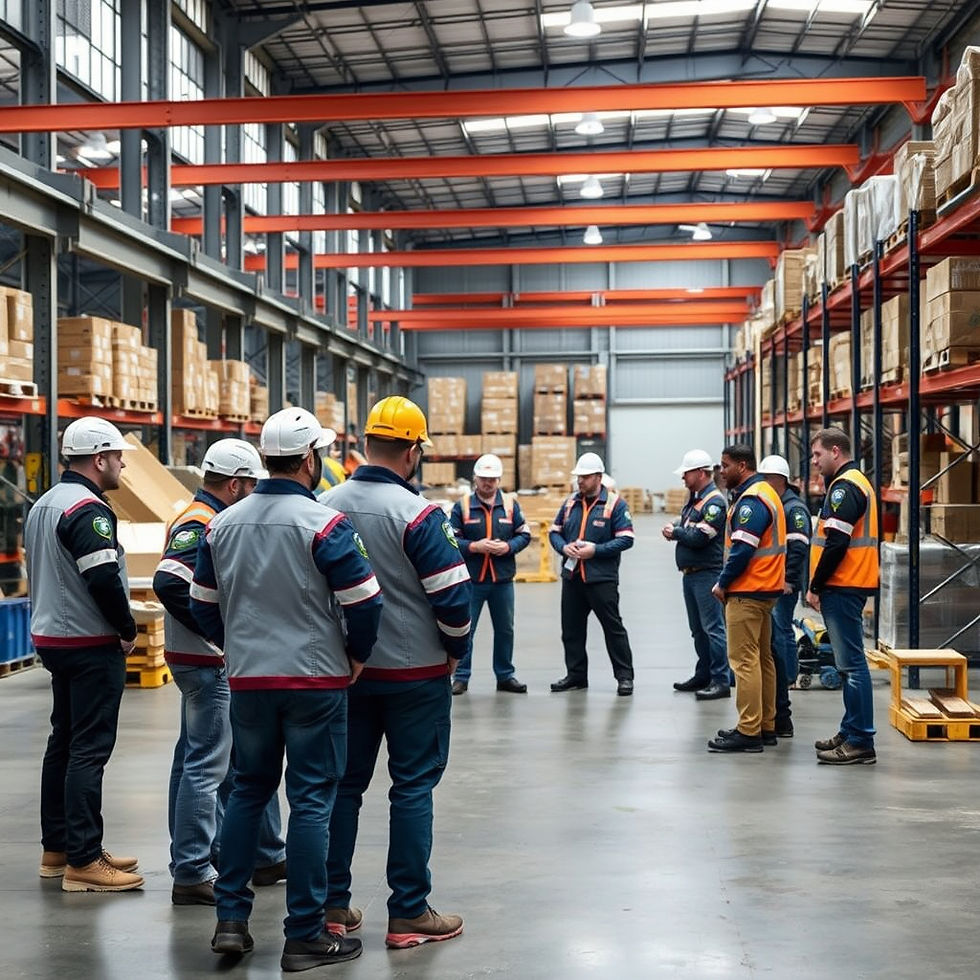
The Bottom Line - Slotting Software > Internal Slotting
While an internally developed tool may sound appealing in the short term, it rarely delivers the adaptability, depth, and long-term ROI of dedicated slotting software. Purpose-built platforms bring speed, scalability, innovation, and proven results that internal tools can’t match.
Investing in slotting software isn’t just the smarter choice, it’s the only way to stay ahead.


Comments